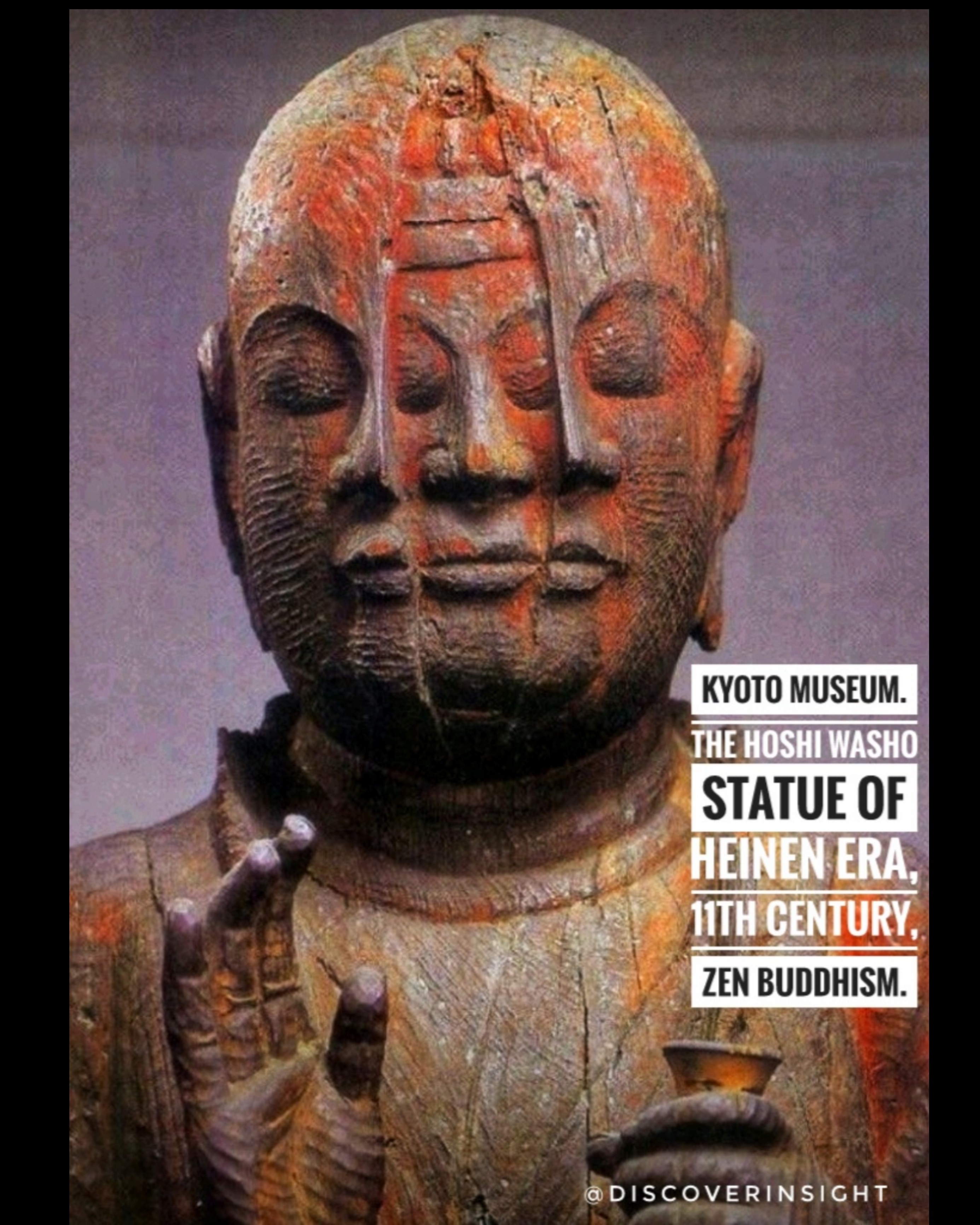
Glitch in the matrix

Introduction:

Metaphorically speaking, we employ the idea of a "glitch in the matrix" to characterize peculiar or unexplainable events that contradict natural laws or disrupt our understanding of the world.

While indulging in contemplative exercises that stretch the boundaries of human understanding on the nature of existence, perception, and consciousness, it is crucial to recognize that their ultimate significance lies in their capacity to act as tools for deep philosophical contemplation and challenging our preconceived notions of reality.

Let's take a brief journey into the realm of diverse intellectual currents that have captivated thoughtful minds.

Explorations

1. Simulation Hypothesis: This interpretation suggests that our entire existence is a simulated reality created by a more advanced civilization or higher-dimensional beings. The glitches in the matrix are seen as anomalies or errors in the simulation, providing hints that our reality is not as concrete as it seems.

2. Illusion and Maya: In various eastern philosophical and spiritual traditions, the world is often perceived as an illusion or "Maya." A glitch in the matrix aligns with this notion, suggesting that what we perceive as reality is deceptive or transient. It can prompt individuals to seek deeper truths beyond the illusion of everyday existence.

3. Epistemological Skepticism: Philosophical skeptics question our ability to know anything with certainty. A glitch in the matrix can be seen as a metaphor for moments when our perceived reality contradicts our expectations or experiences, leading us to question the reliability of our senses and the nature of knowledge itself.

4. Perceptual Illusions: Our senses can sometimes deceive us, and what we perceive as glitches might simply be the result of perceptual errors or illusions. Optical illusions, hallucinations, or cognitive biases can create experiences that seem inconsistent with reality.

5. Quantum Mechanics and Reality: Some interpretations of quantum mechanics propose that reality is fundamentally uncertain and that observation or measurement can influence outcomes. In this context, a glitch in the matrix could be seen as a manifestation of quantum uncertainty or as a breakdown in the fabric of reality. 

What is realness? Watch the below video based on the works of Alain Aspect, John Clauser and Anton Zeilinger who conducted ground breaking experiments using entangled quantum states, where two particles behave like a single unit even when they are separated. Their results have cleared the way for new technology based upon quantum information.

Conclusions

Exploring the concepts of a 'glitch in the Matrix' which draws upon both philosophical and scientific perspectives, represents a fascinating intersection of thought. 

From a philosophical standpoint, it alludes to the idea that reality might not be as concrete and objective as it appears. It raises questions about the nature of existence, consciousness, and the possibility of an underlying simulation.

In the realm of science, the glitch in the Matrix symbolizes anomalies or deviations from expected patterns, challenging our understanding of the laws governing the universe. These anomalies could manifest as unexplained phenomena or perceptual errors, highlighting the limitations of our senses and cognition. 

Ultimately, the glitch in the Matrix encompasses a profound exploration of the fundamental nature of reality, blurring the boundaries between philosophy and science.


popular posts

Stoic echoes from the East

  Stoicism is a philosophical school of thought that originated in ancient Greece around the 3rd century BCE. It later became popular in ancient Rome and has experienced a resurgence in modern times.While Stoicism is known for its practical and pragmatic approaches, Stoicism's enduring appeal lies in its tools which emphasize on: personal responsibility resilience in the face of adversity the pursuit of a virtuous and contented life The subject, titled "Stoic echoes from the East," aims to examine shared principles within dual philosophical traditions especially from the Srimad Bhagavad Gita. Learning about similar studies and their impact on our character can offer valuable insights in the fields like - Cross-Pollination of Ideas  Holistic Understanding Adaptability Personal Growth Global Citizenship Stoicism and the Bhagavad Gita are two distinct philosophical and spiritual traditions, but there are some similarities and points of intersection that can be explored.  Sto...

Spirituality+Neuroscience

In today's rapidly evolving world, the complexities of leadership demand more than just strategic acumen and operational efficiency. Leaders are increasingly called to demonstrate emotional intelligence, self-awareness, and an ability to inspire others from a place of inner strength and authenticity.  The fusion of spirituality and neuroscience presents a comprehensive approach to leadership, one that nurtures the mind, body, and spirit, enabling leaders to forge deeper connections with themselves and those they guide. In today's dynamic leadership landscape, this integration offers a transformative pathway for steering individuals and organizations. This synthesis not only delves into the intricacies of human consciousness but also equips leaders with practical tools for impactful and effective leadership. By drawing from Vedanta, the teachings of Swami Vivekananda, contemporary psychology, and cutting-edge consciousness studies from institutions like MIT, this holistic approa...

What is your storyline?

The need for a biography and it's  paradigms. In this age of information overload, it can be hard for a seeker of knowledge to determine what to prioritize. The biography of a person highlights their goals, works, culture and other significant events in their life. This makes it easier for others to relate with the person, which in turn gives clarity to the thoughts in the seeker’s mind. Is biography a narrative or something more? Biographies symbolize several things, depending on who is reading them and why. A monumental biography is not just a chronological list of events that happened to someone. Rather, it should weave a narrative and tell a story in almost the same way a novel does. In this way, biography differs from the rest of nonfiction. As biographer Richard Holmes, once wrote that his work was:  writing about the pursuit of that fleeting figure in such a way as to bring them alive in the present Biographies are an essential study and aid us to contextualize the ...